LF / HF / NFCCustom print
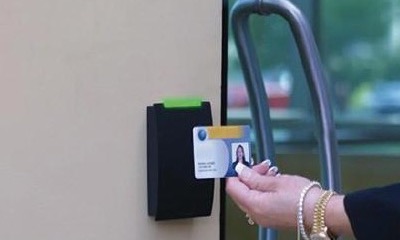
Access & Hotel Cards
Contactless cards for building access, hospitality, membership and identification programs.
Configure a card → Shenzhen Vantrade
Custom access cards, key fobs, NFC labels and RFID inlays for the systems and products your customers rely on.
Shenzhen Vantrade Technology Co., Ltd. develops custom RFID and NFC product programs for global B2B customers. Each order is defined around its application, technical requirements and production specification, covering access cards, key fobs, coin tags, NFC labels, RFID inlays and wristbands.
Chip and antenna selection, materials, printing, encoding and inspection requirements are confirmed before sampling and production. MOQ and lead time are set according to the selected product and order specification.
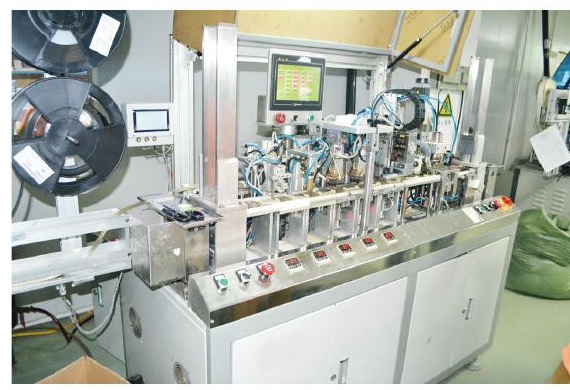
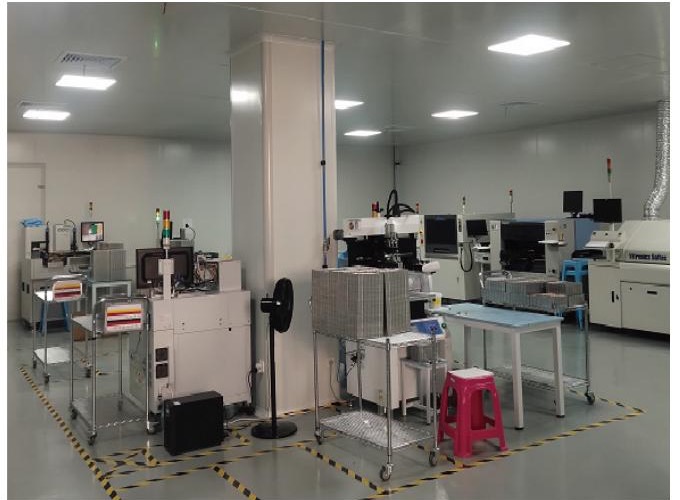
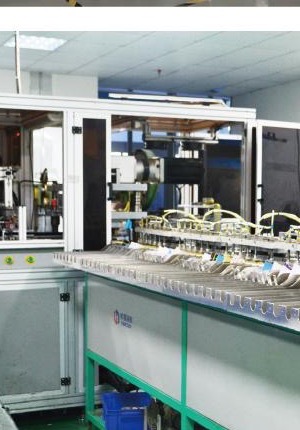
Production may include antenna and chip integration, lamination, printing, label converting, encoding and final inspection. The exact process, equipment and quality checks are defined by the approved product specification.
Images illustrate RFID production and converting equipment. Confirm the applicable process and inspection scope for each order.
Start with the product form and use case. We can help narrow the chip, material and personalization details with your project information.
Contactless cards for building access, hospitality, membership and identification programs.
Configure a card →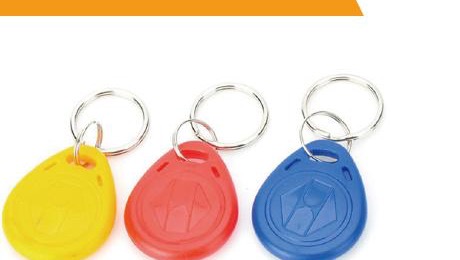
Compact credentials in convenient token and key-ring formats, with options for color and marking.
Explore formats →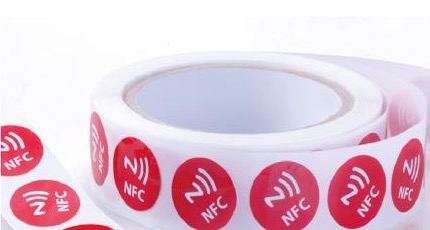
Printed or encoded labels for product interaction, identification, tracking and connected experiences.
Discuss a label →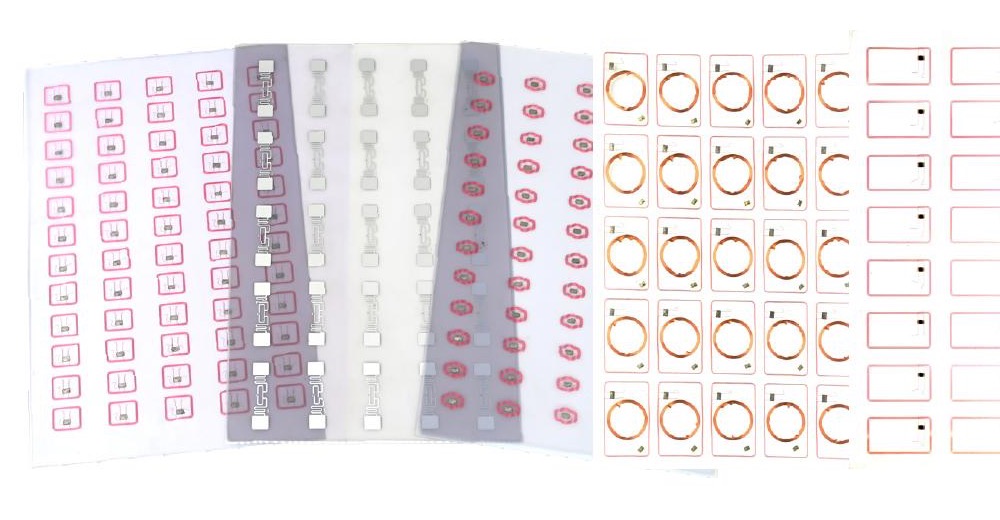
Antenna and chip inlay formats for integration into cards, labels, tickets and other products.
Request inlay details →Additional formats shown in a supplier catalog. Final construction, chip and available customization are confirmed per project.
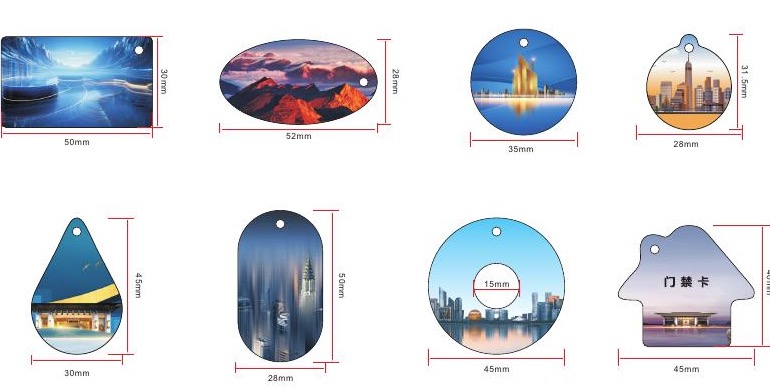
Printed tag formats include round, oval, drop and custom-shaped options.
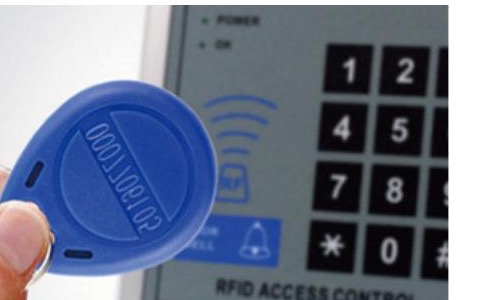
Multiple housing shapes with options for color, logo and identification marking.
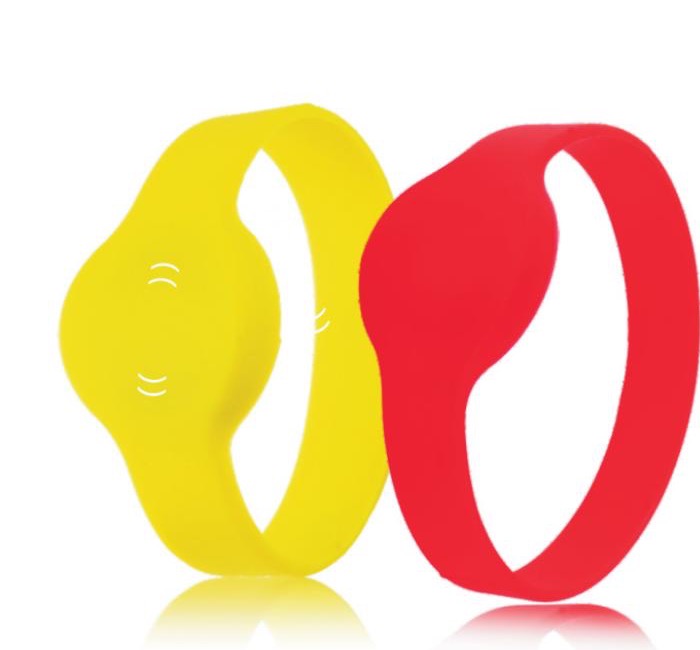
Reusable wristband formats for access, leisure, membership and event programs.
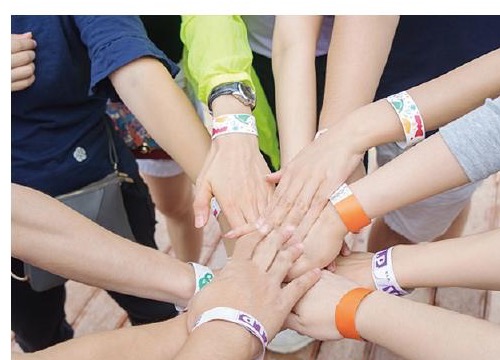
Adjustable and reusable band styles for venues, water parks and access programs, subject to the selected chip and fastening design.
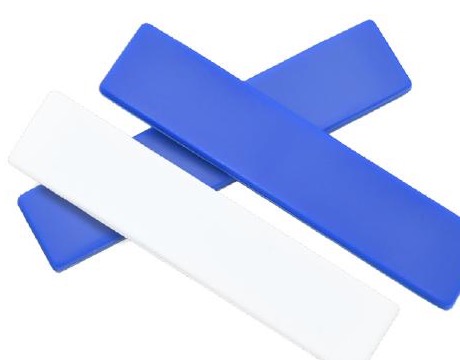
Label formats designed for laundry and textile identification. Confirm wash cycles, temperature, attachment method and reader environment before selection.
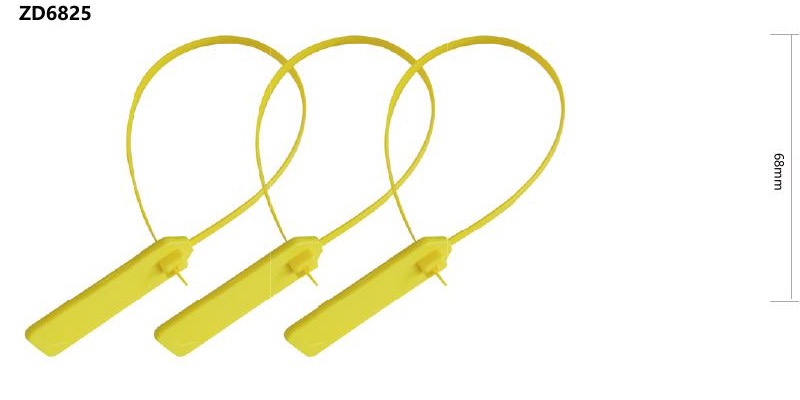
Loop-through tag formats for identifying cables, tools, containers and other assets. Select the housing and chip for the application conditions.
Examples of print, marking and surface options. Availability depends on card material and production process.
These are visual examples only. Confirm the selected finish on a physical proof before production.
Reference specifications below are starting points from the product materials you shared. Chip, frequency, dimensions and read performance must be confirmed for the selected model.
Compact adhesive labels designed to fit inside electronic housings or products. Antenna, substrate and encapsulation are selected for the installation space.
Shown read distance: 1–100 mm in the supplied reference; actual range depends on antenna, reader and installation.
Confirm the exact IC and whether the requested version is HF or UHF before ordering.
For asset tracking, logistics and equipment identification. The reference lists EPC Class 1 Gen 2 / ISO 18000-6C at 905–928 MHz and Alien H9 or Monza M4QT chip options; confirm regional frequency plan and exact chip.
UHF read distance is affected by the reader, antenna, mounting surface, orientation and local radio regulations. Request a test sample for the actual setup.
Reader models shown in your reference, summarized for initial comparison. Confirm connector, supported card chip and operating system before quotation.
125 kHz · TK4001 / EM4100 ID cards
125 kHz · TK4001 / EM4100 ID cards
125 kHz · Bluetooth / 2.4 GHz wireless · USB for charging
125 kHz · TK4001 / EM4100 ID cards
Values are transcribed from the product references you supplied and may vary by model or chip configuration. Please confirm exact specifications, compliance, MOQ, sample availability and lead time with the selected manufacturer before publishing a quotation.
Use these catalog examples as a starting point. Chip, material and dimensions must be matched to your reader, product design and destination market.
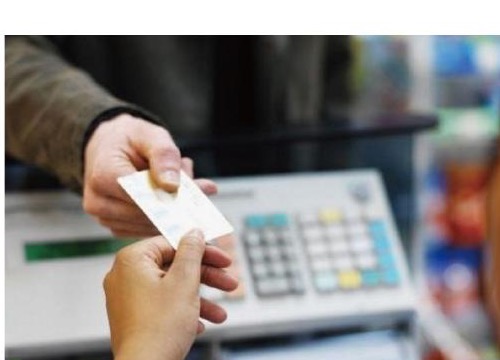
Layered PVC card construction can combine printed faces with an antenna and chip layer. CR80 format example: 85.5 × 54 mm. Confirm thickness and chip configuration for the target system.
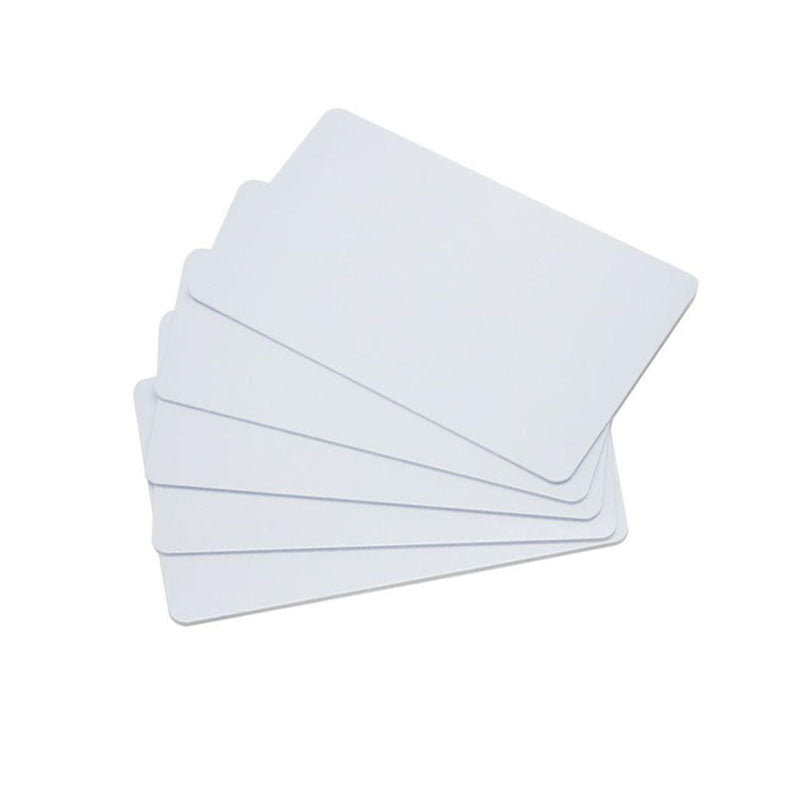
Customizable CR80 cards for access, staff ID and attendance systems. Chip, frequency and reader compatibility depend on the selected configuration.
125 kHz ID is one catalog example. Confirm the exact IC, frequency and write capability before quotation.
HF label examples for product linking, tap-to-open experiences and item identification.
Confirm the exact chip, label size, surface, roll direction, core and encoding requirements for your project.
Specialty formats: The catalog also shows epoxy RFID tags in custom shapes and RFID glass tags for animal identification. These are separate product lines; confirm chip, dimensions, intended use and applicable destination-market requirements with the supplier before listing or quoting.
Share what you know. We will confirm the configuration before sampling or production.
LF, HF/NFC or UHF options depend on the application and reader. Final chip selection is confirmed per project.
Card, key fob, coin, adhesive label or inlay. Dimensions and substrate are specified for each configuration.
Artwork, color, numbering and other personalization options can be reviewed with the product format.
Share data fields, numbering format, encoding instructions and any security or locking requirements for review before production.
Minimum quantity and sample availability vary by chip, construction, artwork and customization.
Timing is confirmed after specification and quantity review. Ask about the available pre-shipment checks.
Different environments need different RFID formats. Tell us where the product will be used and what system it needs to work with.
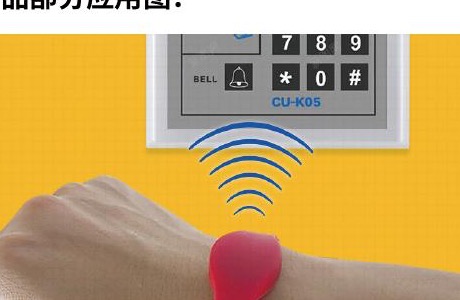
Especially for access cards, compatibility should be checked before a bulk order is approved.
Tell us the application, destination market, quantity and target delivery date.
For access products, provide the reader or lock model, existing card details or a sample if available.
Confirm the physical sample, artwork, numbering and encoding instructions before production.
Finalize quantity, inspection plan, packaging and delivery schedule in the quotation.
Share whatever details you have. If a technical detail is unknown, say so and include the reader model or use case.
Send the reader or lock model, a photo of the reader label, system documentation or a working sample credential. Compatibility must be confirmed against the actual system before ordering.
Sample availability, cost and timing depend on the product and personalization. Include your destination country and required configuration in the inquiry.
Personalization options vary by product. Provide the artwork, numbering scheme and data requirements so they can be reviewed in the quotation.
MOQ and lead time depend on chip, material, quantity and customization. They are confirmed after the specification is reviewed.
Include chip family, frequency/protocol, antenna or form-factor requirements, target product, quantity and any available drawing or sample.
Share label shape and dimensions, application surface, expected read distance, roll direction, core diameter, labels per roll and whether each label needs unique encoding.
Provide the reader or lock model, system brand, existing credential details or a sample. The card technology and chip must be confirmed against the installed system before production.
Send the system details, application and target quantity to begin a compatibility and quotation review.
For product questions or a quotation, contact us directly by WhatsApp or email. Include your product type, application, quantity and destination market.